
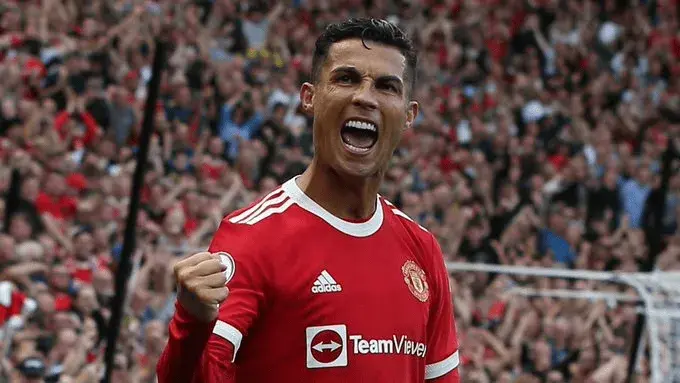
In the summer transfer window of 2021, then Manchester United manager Ole Gunnar Solskjaer wanted Erling Haaland, Declan Rice and Jude Bellingham. Instead, he got Jadon Sancho, Donny van de Beek and the 36-year-old Cristiano Ronaldo.
Manchester United spent £73 million signing Sancho in 2021. Currently on loan at Aston Villa from Chelsea, he will leave as a free agent next summer when his £250,000-a-week contract expires. He has not played for Manchester United for two years.
On the other hand, Ronaldo's situation was completely different. Three years earlier, Manchester United had made a mistake in signing Alexis Sánchez at a high cost, and this deal had obvious similarities to that one, but it was overlooked.
This deal was a masterstroke by super agent Jorge Mendes, who made Manchester United panic because Ronaldo "already had a pen in his hand" and was about to join Manchester City.
‘It created a panic,’ says one source. ‘The idea of him scoring for City against United was too much for them. They were frightened to death about how the fans would react when the reality was that signing him would go against everything that Ole was trying to do.’
Spending £19.8 million on one of the world's top players would not usually be considered a bad thing, but Ronaldo had a disruptive impact from the moment he returned to the club with a weekly salary of over £500,000.
His desire to replace Harry Maguire and take the captain's armband was the cause of the team's rift. Years later, Solskjaer said: “Maybe it affected the whole dressing room and the team's atmosphere. He was the top scorer that year, but I lost my job 10 weeks after I took office!”
Solskjaer needed to be more courageous regarding Ronaldo's return.
Can you imagine Pep Guardiola at Manchester City or Jürgen Klopp at Liverpool being swayed like this? Solskjaer strongly advocated a return to Ferguson-era principles—unity and elite management—but let it all come to naught because of the return of a player who was pivotal in European football, even arguably more important than the club itself.