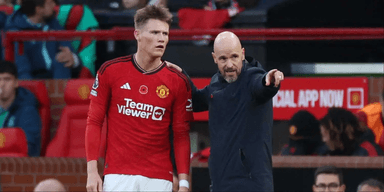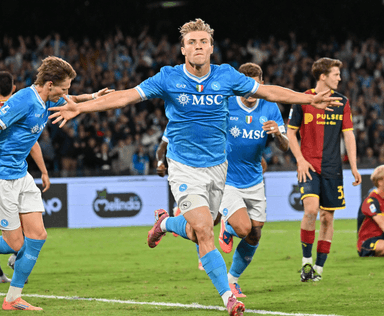


Former Manchester United player Scott McTominay recently sat down for an interview with Camel Live, where he addressed the narrative that "players get better after leaving Man Utd".
On the Narrative That Players Improve After Leaving Man Utd
You are not the only former player who truly came into their own and performed better after leaving Man Utd for another club. From an outsider’s perspective, it is easy to think, "Okay, it seems like the problem lies more with the club rather than the players themselves." Because this scenario has played out time and again… What were you about to say? Do you disagree?
"Yes."
Why?
"Because it’s far too easy and lazy to boil things down to 'Oh, he left Man Utd and then started playing well'. I had a really good season in my last year at the club, scoring 10 goals and winning a trophy. As for Marcus, there were obviously some different issues at the time, which we won’t go into detail about. But Marcus is a top player, always has been—he’s one of the club’s legends, scoring so many goals and achieving so many great things for Man Utd."
"The spotlight is squarely on you, and in my opinion, that makes things seem worse than they actually are. Of course, when a player gets more game time after leaving, their confidence naturally grows, and they feel better about themselves—that’s way better than not getting much playing time at Man Utd. But at Man Utd, you have to earn your place on the pitch, just like Bruno Fernandes did, and he did it brilliantly. So I think that kind of talk is just oversimplified."
On Whether a Change of Environment Benefits Players
So do you think that, to a certain extent, a change of environment can be beneficial? Like getting away from the intense spotlight of the British media, that almost "all-consuming" media scrutiny, and starting fresh?
"Maybe. But there are also players who leave and don’t get much talk, while others are talked about by everyone, so it depends on the individual."
"For me, it’s far too easy and unfair to simply blame the club, Manchester United, for the issue. Because during my time there, the club did everything they could for me. They helped me with nutrition, with training, with tactics—no matter who the manager was at the time. All the resources were in place to help me succeed. It’s not like 'they don’t give you what other clubs can offer'—they gave me everything they could."
"So this idea that 'players get better after leaving' essentially comes down to confidence. If you leave and play every game, score a goal, then another, and people start talking about you, you naturally feel good and want to keep that momentum going."